Serving with Integrity • Personalized Online Consultations in Assamese, Hindi & English • Trusted by Clients Across India & Beyond

How to Read Your Birth Chart (Kundli) Step by Step | Beginner Guide
Learn how to read your birth chart (Kundli) step by step. Understand houses, planets, zodiac signs, ascendant, yogas, and predictions with this beginner's guide.
ASTROLOGY
7/23/20264 min read
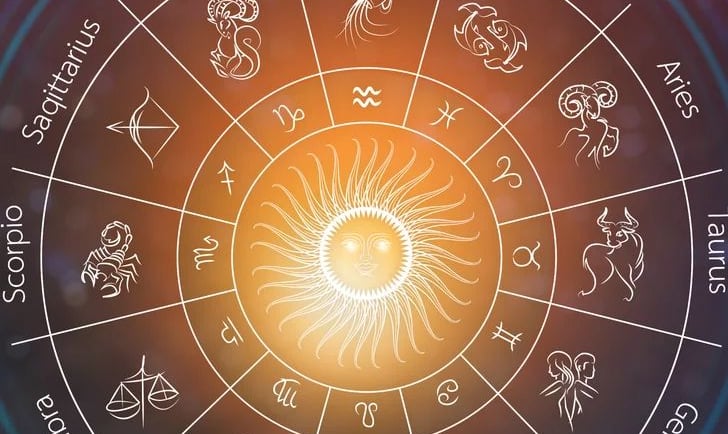
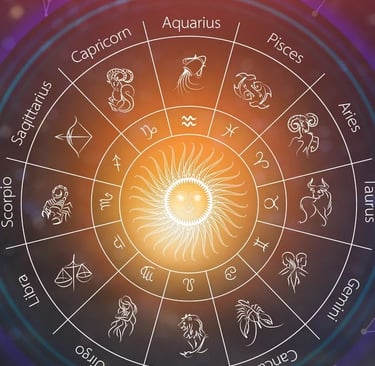
How to Read Your Birth Chart (Kundli) Step by Step
Your birth chart (also called a Kundli, Janam Kundli, or Natal Chart) is a cosmic blueprint of your life. It reveals your personality, career potential, relationships, finances, health, spiritual journey, and life purpose.
Many people receive a Kundli but have no idea how to understand the symbols, houses, or planetary placements. In this guide, you'll learn how to read your birth chart step by step—even if you're completely new to Vedic Astrology.
What Is a Birth Chart (Kundli)?
A birth chart is a map of the sky at the exact moment you were born. It is calculated using:
Date of Birth
Exact Time of Birth
Birth Place
These details determine where the planets were positioned when you entered the world.
Your Kundli contains:
12 Houses
12 Zodiac Signs
9 Vedic Planets (Navagraha)
Ascendant (Lagna)
Planetary Aspects
Yogas
Dashas
Together, these elements reveal the story of your life.
Step 1: Identify Your Ascendant (Lagna)
The Ascendant is the most important point in your birth chart.
It represents: Personality, Physical appearance, Life direction, First impression, Overall destiny
The first house always begins with your Ascendant sign.
For example: If your Ascendant is Leo,
1st House = Leo
2nd House = Virgo
3rd House = Libra
…and so on.
Think of the Ascendant as the starting point of your entire Kundli.
Step 2: Understand the 12 Houses
Each house represents a different area of life.
House Represents
1st- Personality, body, self
2nd- Wealth, speech, family
3rd- Courage, siblings, communication
4th- Home, mother, property
5th- Education, creativity, children
6th- Health, debts, enemies
7th- Marriage, partnerships
8th- Transformation, inheritance, occult
9th- Luck, spirituality, higher education
10th- Career, profession, reputation
11th- Income, gains, friendships
12th- Foreign travel, expenses, liberation
Every prediction in astrology comes from these twelve houses.
Step 3: Learn the Meaning of the Planets
Each planet controls specific energies.
☀ Sun Represents- Soul, Confidence, Leadership, Father, Authority
🌙 Moon Represents- Mind, Emotions, Mother, Mental health
♂ Mars Represents- Energy, Courage, Action, Property, Competition
☿ Mercury Represents- Intelligence, Business, Communication, Learning
♃ Jupiter Represents- Wisdom, Wealth, Children, Spirituality, Expansion
♀ Venus Represents- Love, Marriage, Luxury, Beauty, Creativity
♄ Saturn Represents- Discipline, Karma, Hard work, Delays, Stability
☊ Rahu Represents- Ambition, Foreign opportunities, Technology, Sudden rise
☋ Ketu Represents- Spirituality, Detachment, Past-life karma, Inner wisdom
Step 4: Understand Zodiac Signs
Each zodiac sign has a unique personality.
Zodiac Sign Nature
Aries- Bold
Taurus- Stable
Gemini- Communicative
Cancer- Emotional
Leo- Confident
Virgo- Analytical
Libra- Balanced
Scorpio- Intense
Sagittarius- Adventurous
Capricorn- Disciplined
Aquarius- Innovative
Pisces- Spiritual
The sign occupying a house changes how that house expresses itself.
Step 5: Check Which Planet Is in Which House
Planet placement tells where its energy is focused.
Example: Venus in 7th House
May indicate:
Loving spouse
Romantic nature
Successful partnerships
Example:Saturn in 10th House
Often indicates:
Slow career growth
Stable success
Respect after hard work
Step 6: Understand House Lords
Every zodiac sign has a ruling planet.
For example:
Aries → Mars
Taurus → Venus
Gemini → Mercury
Cancer → Moon
Suppose:
Your 10th house contains Taurus.
The career house is then ruled by Venus.
Now check where Venus is placed.
This creates deeper predictions.
Step 7: Learn Planetary Aspects (Drishti)
Planets influence other houses through aspects.
Some common examples:
Jupiter blesses houses it aspects.
Saturn delays but strengthens.
Mars brings action and energy.
These influences modify predictions significantly.
Step 8: Identify Yogas
A Yoga is a special planetary combination.
Common Yogas include:
Gaj Kesari Yoga
Intelligence
Fame
Wealth
Raj Yoga
Success
Leadership
Recognition
Dhan Yoga
Financial prosperity
Vipreet Raj Yoga
Success after struggle
The presence of Yogas can amplify positive results in a chart.
Step 9: Study Dashas (Planetary Periods)
Your birth chart shows potential, but Dashas show timing.
In Vedic Astrology, the Vimshottari Dasha system indicates when different planetary energies become active.
For example:
Jupiter Mahadasha often emphasizes learning, growth, wisdom, and opportunities.
Saturn Mahadasha may bring responsibility, discipline, and long-term achievements.
Venus Mahadasha often highlights relationships, comforts, creativity, and finances.
Dashas help explain why major life events occur during specific periods.
Step 10: Combine Everything Together
Professional astrologers don't rely on a single placement.
They analyze:
Ascendant
Houses
Planetary placements
Zodiac signs
Aspects
Yogas
Dashas
Divisional charts
Planetary strengths
Only by combining these factors can accurate predictions be made.
Common Mistakes Beginners Make
Avoid these common errors:
Judging a chart from one planet alone
Ignoring the Ascendant
Ignoring Dashas
Reading generic zodiac descriptions only
Not checking planetary strengths
Confusing Western and Vedic astrology methods
Astrology works best when the chart is interpreted as a complete system.
Why Your Birth Time Matters
Even a small difference in birth time can affect:
Ascendant (Lagna)
House cusps
Planetary positions in divisional charts
Timing of Dashas
Overall interpretations
If possible, use your official birth record for the most accurate analysis.
Frequently Asked Questions
Can I read my Kundli myself?
Yes. By understanding houses, planets, signs, and basic combinations, you can learn the fundamentals of your birth chart. However, advanced interpretation requires experience.
Is Vedic Astrology accurate?
When the birth details are accurate and the chart is interpreted correctly, Vedic Astrology can provide meaningful insights into life patterns, strengths, challenges, and timing.
Which is the most important house?
The 1st House (Ascendant) is the foundation of the entire birth chart because it represents your identity and influences the interpretation of all other houses.
Which planet represents career?
The 10th House, its ruling planet, and planets such as Saturn, Sun, Mercury, and Jupiter are commonly analyzed for career, depending on the individual chart.
Can astrology predict marriage?
Astrologers study the 7th House, Venus, Jupiter (especially in female charts), the Navamsa (D9) chart, and planetary Dashas to assess marriage-related trends and timing.
Final Thoughts
Learning to read your birth chart is like learning a new language—one that speaks through planets, signs, houses, and cosmic timing. As you build your understanding, you'll begin to recognize recurring life patterns, strengths to cultivate, and challenges to navigate with greater awareness.
A Kundli isn't about fixed fate; it's a guide that helps you make informed choices and work with your natural potential.